
Research
We integrate artificial intelligence, spectroscopy, microbiology and multi-omics to understand, predict and control meat quality and safety, advancing a safer, healthier and more sustainable meat supply.
Our research framework
From sensing to control
A data-driven framework to better understand, predict and control meat quality and safety.
01
Sense
Acquire multi-dimensional data from meat and its environment.
02
Understand
Reveal molecular, microbial and chemical mechanisms of quality changes.
03
Predict
Develop AI models for quality evaluation, shelf-life prediction and early warning.
04
Control
Design targeted strategies for microbial control, quality preservation and sustainable processing.
Research themes
Three research themes
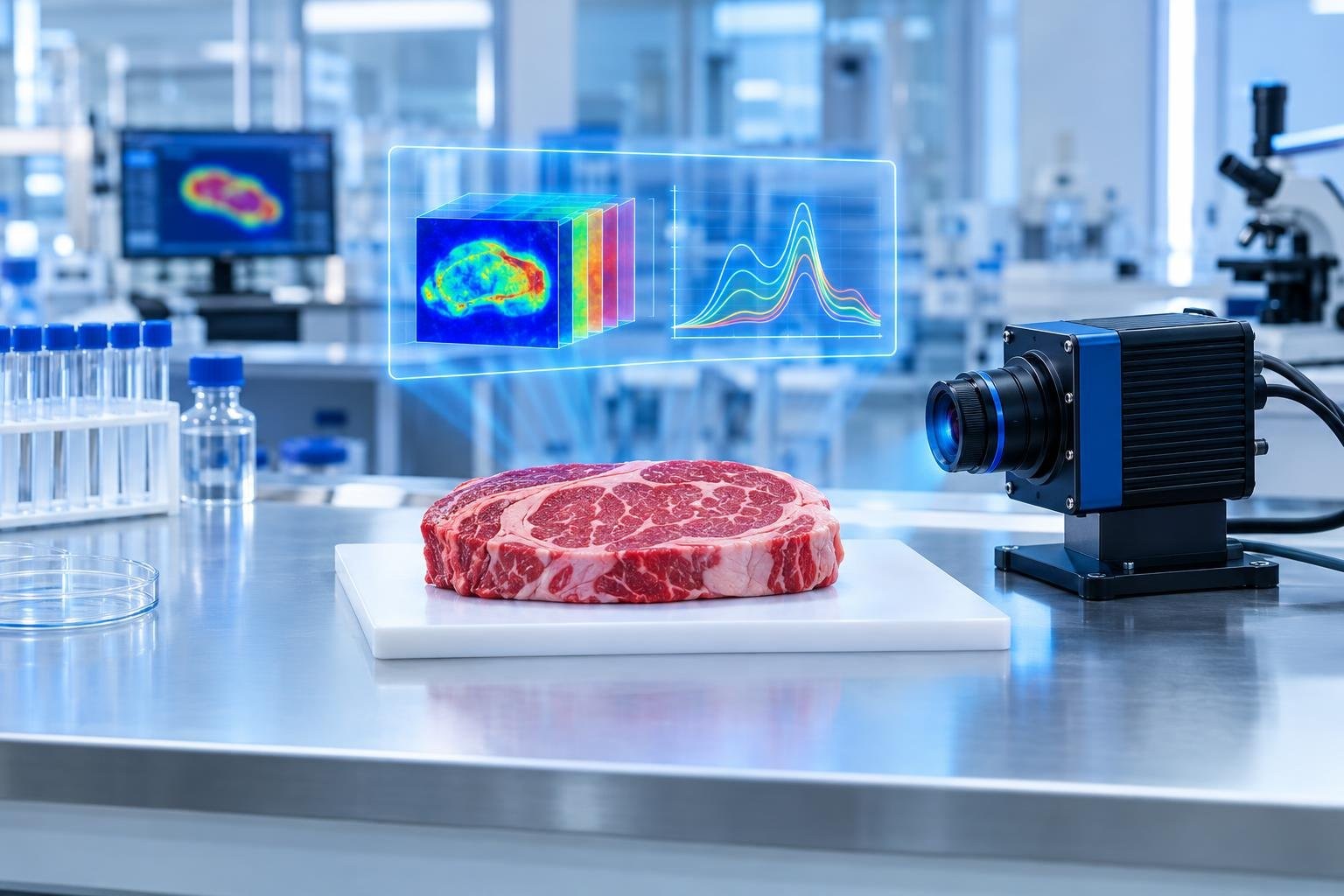
Digital Sensing for Meat Quality & Safety
Develop advanced sensing technologies for rapid, accurate and non-destructive evaluation of meat quality.
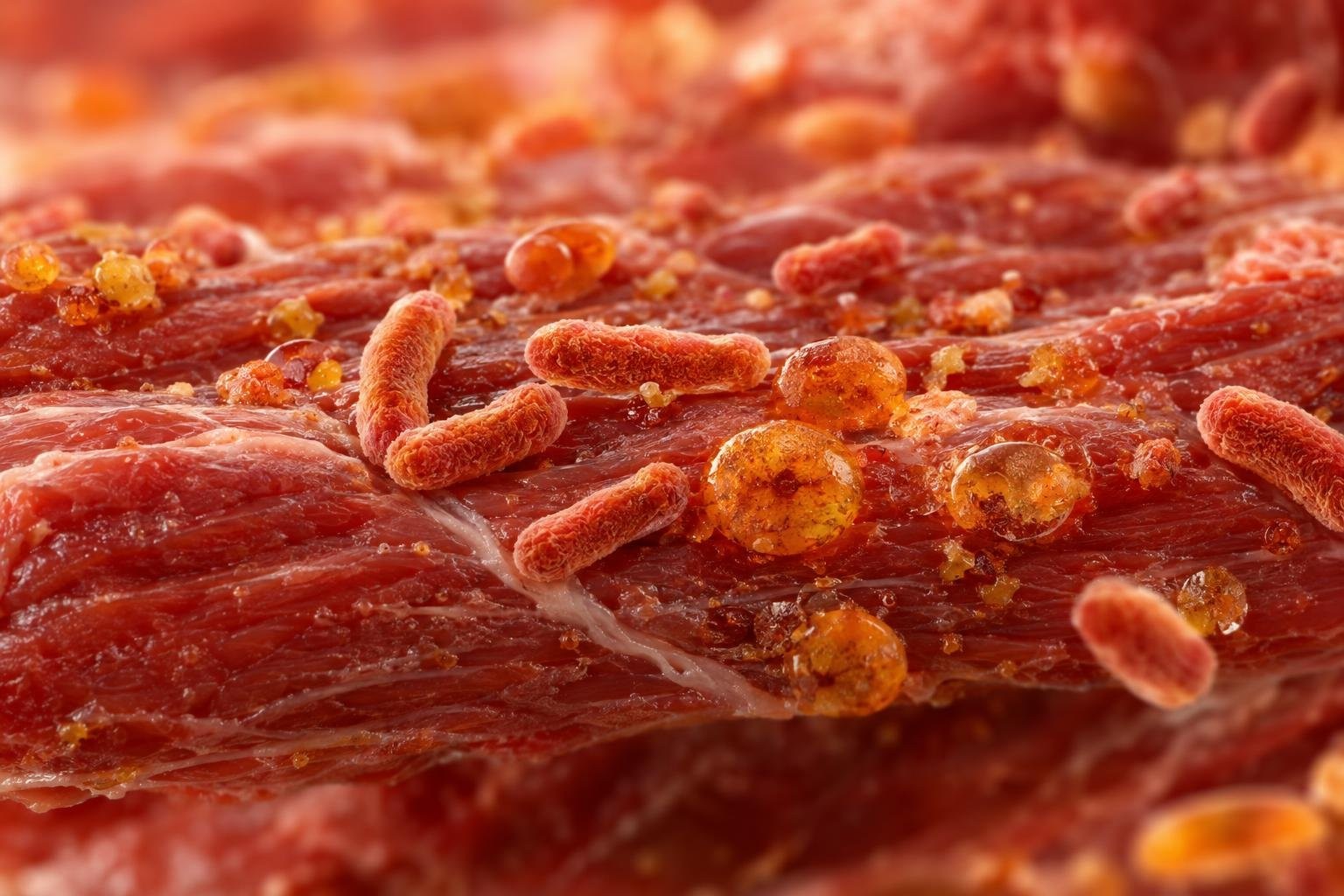
Mechanisms of Deterioration
Elucidate molecular, microbial and chemical mechanisms underlying meat deterioration.
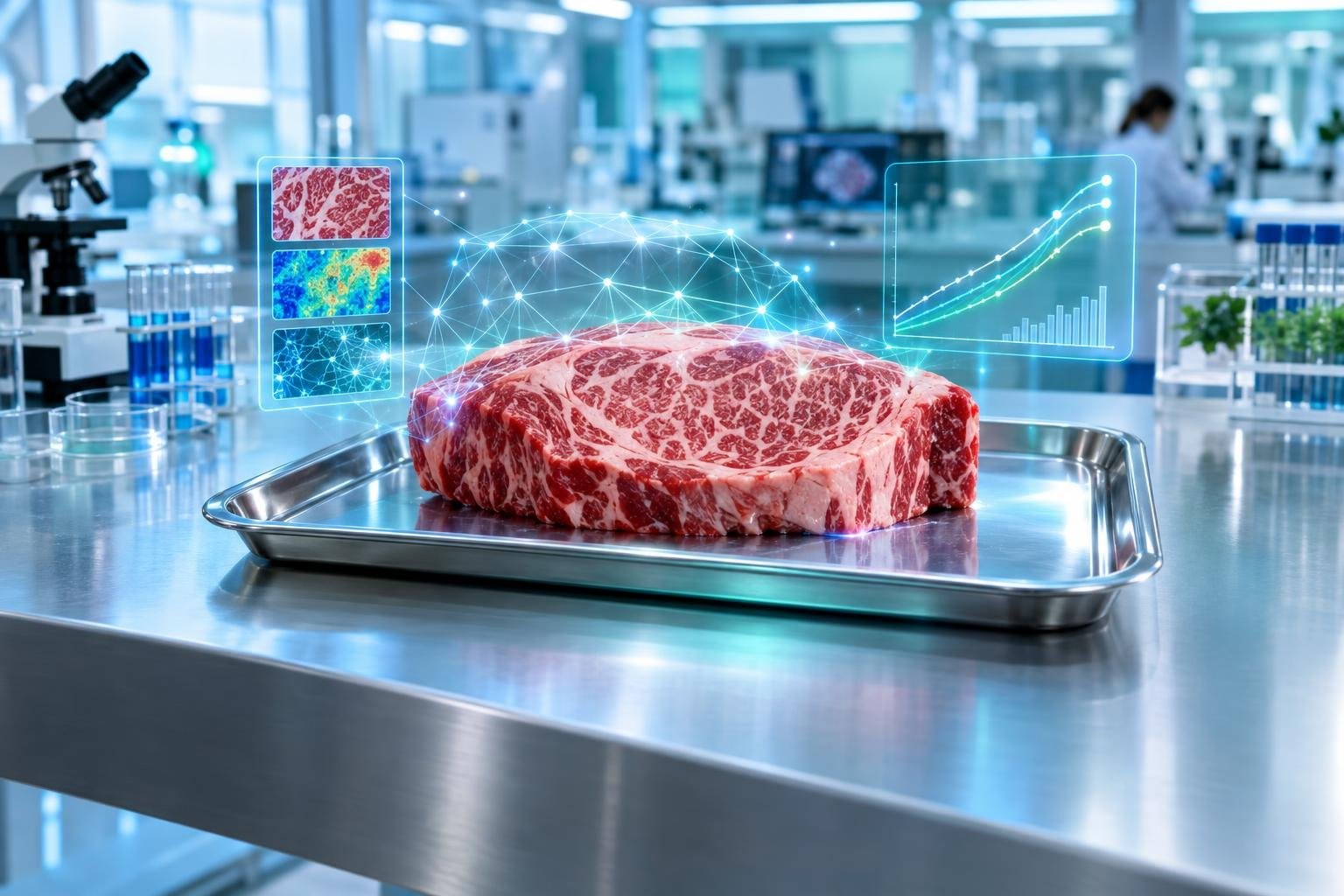
AI Prediction & Control
Develop data-driven models and targeted strategies for quality prediction, spoilage control and process optimization.
Our facilities
Laboratories and Facilities
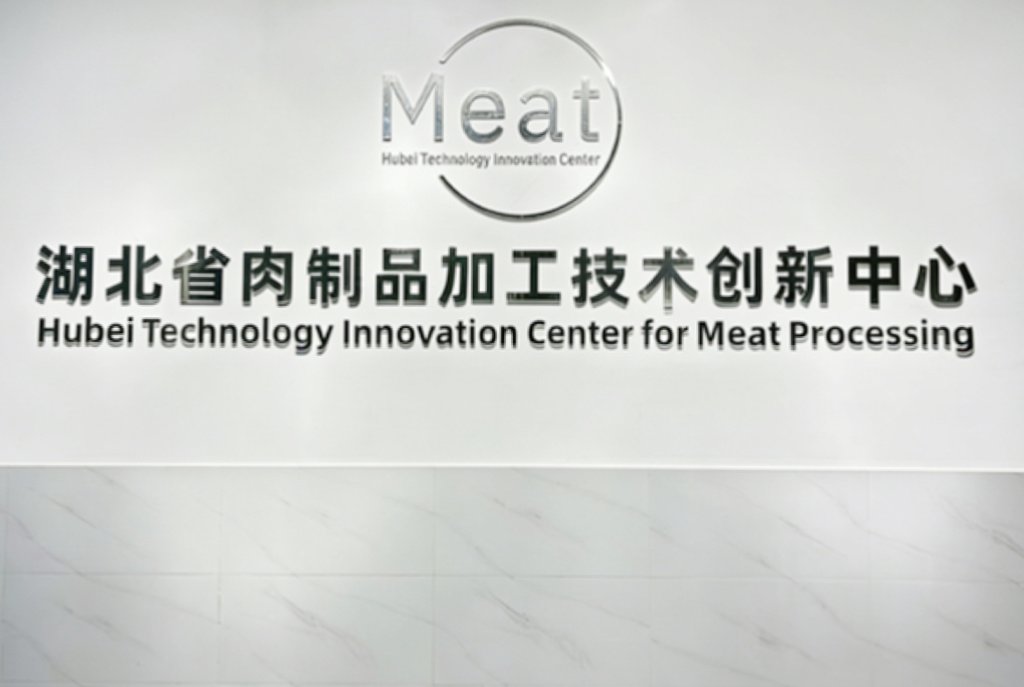
Hubei Technology Innovation Center for Meat Processing
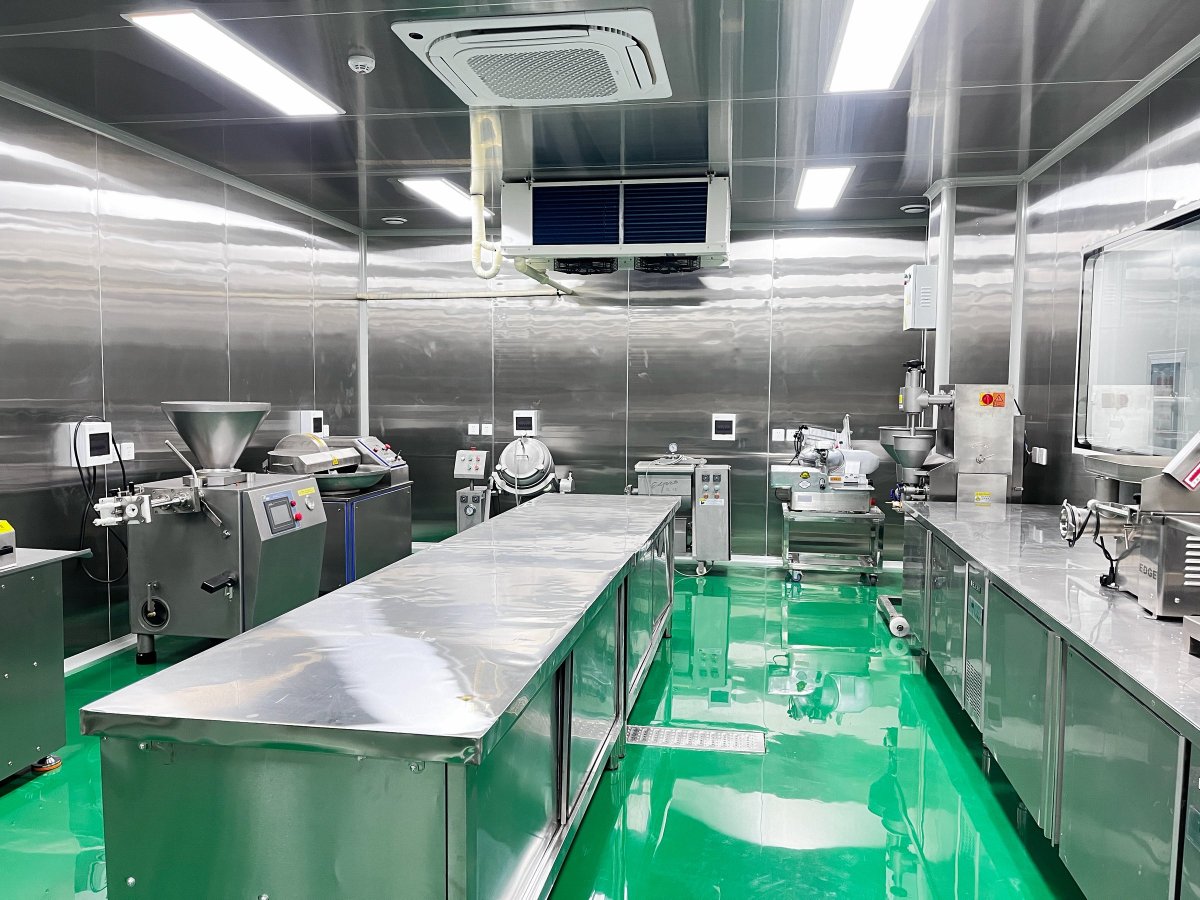
Meat processing hall at AI Meat Laboratory, HZAU, Xiangyang, Hubei Province
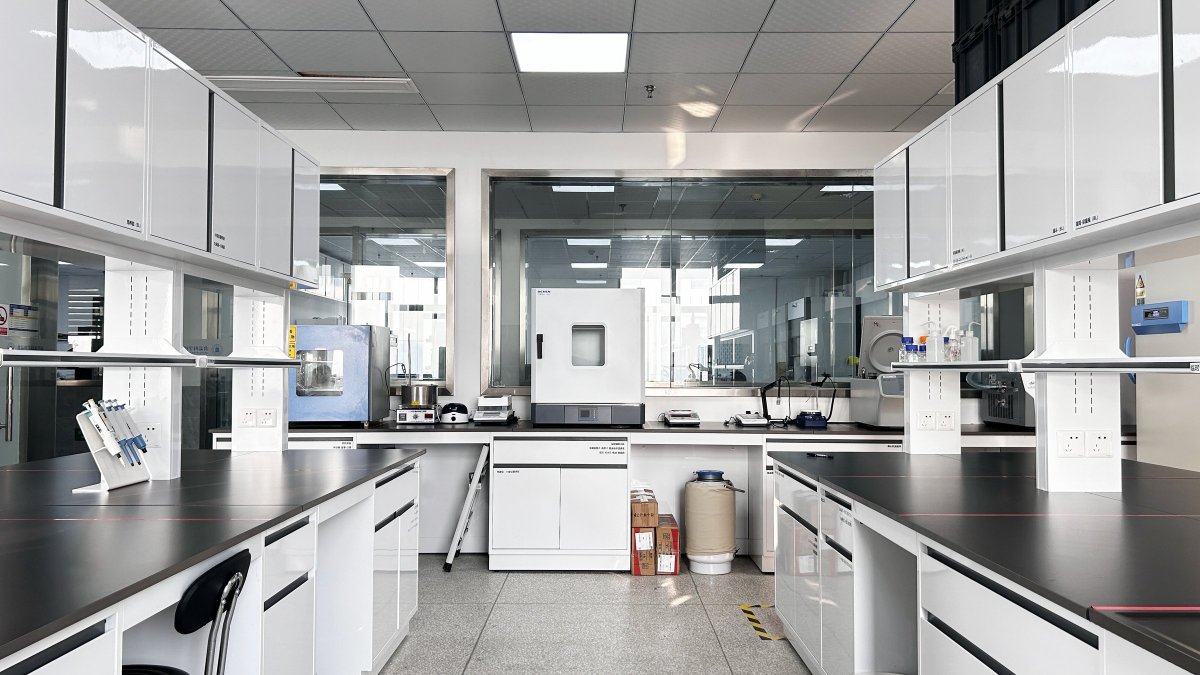
AI Meat Laboratory in Huazhong Agricultural University, Wuhan, Hubei Province
Equipment
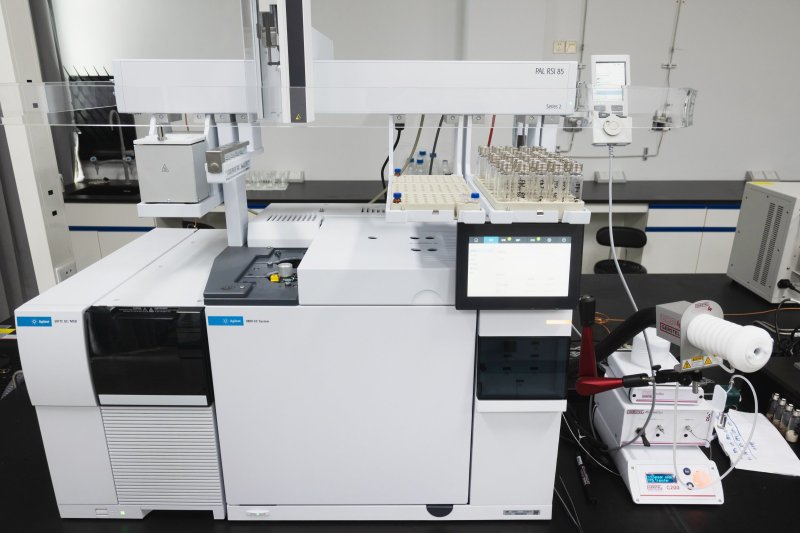
Gas chromatography–mass spectrometry
Profiles the volatile compounds behind meat aroma and spoilage.
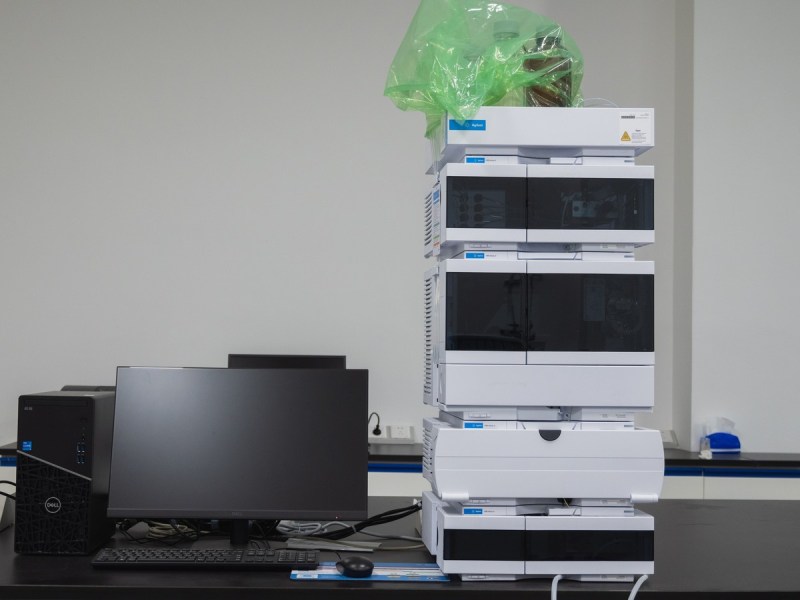
High-performance liquid chromatography (HPLC)
Separates and quantifies peptides, lipids and oxidation products.
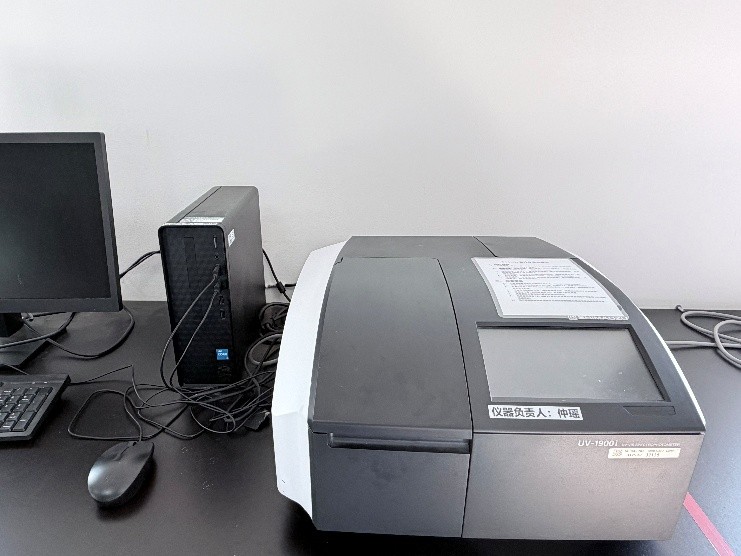
UV-Vis spectrophotometry
Measures pigments, colour and oxidation markers in meat extracts.
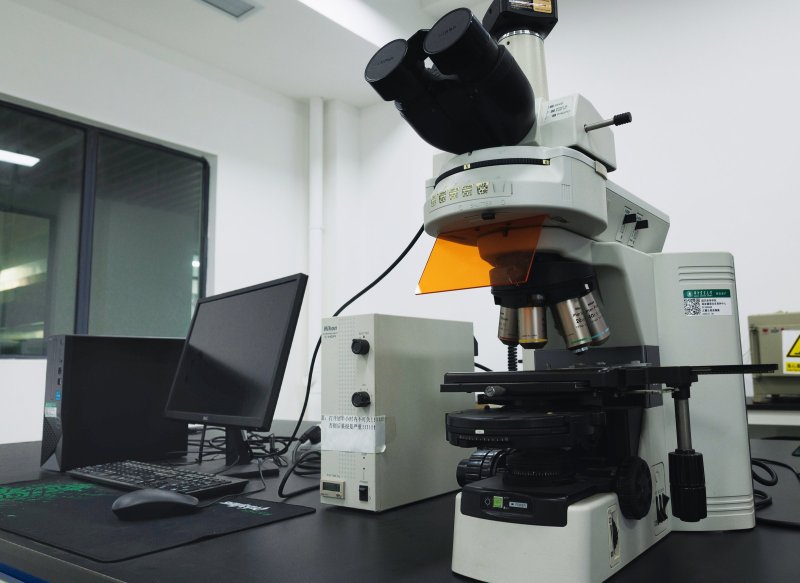
Fluorescence microscopy
Images muscle structure and microbial cells.
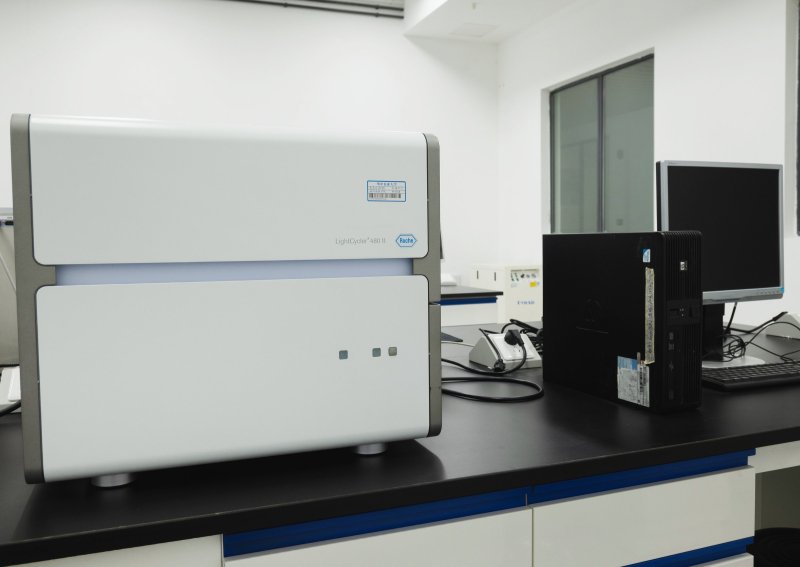
Real-time PCR
Detects and quantifies spoilage and pathogenic bacteria.
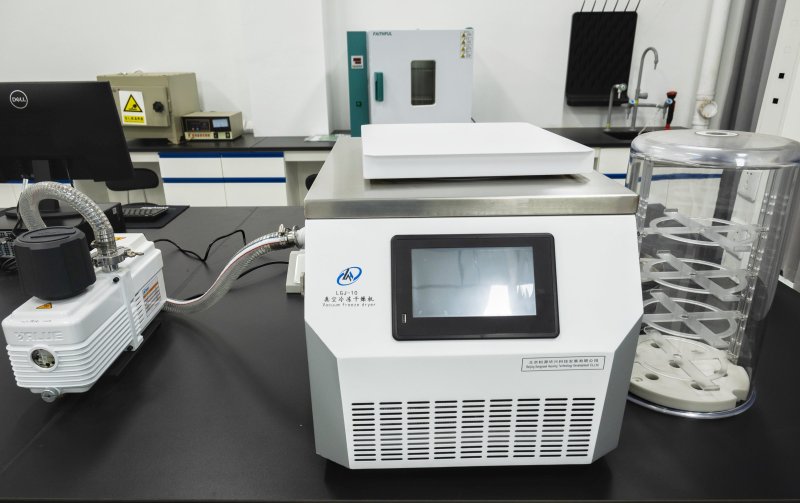
Freeze drying
Preserves samples for omics and peptide studies.
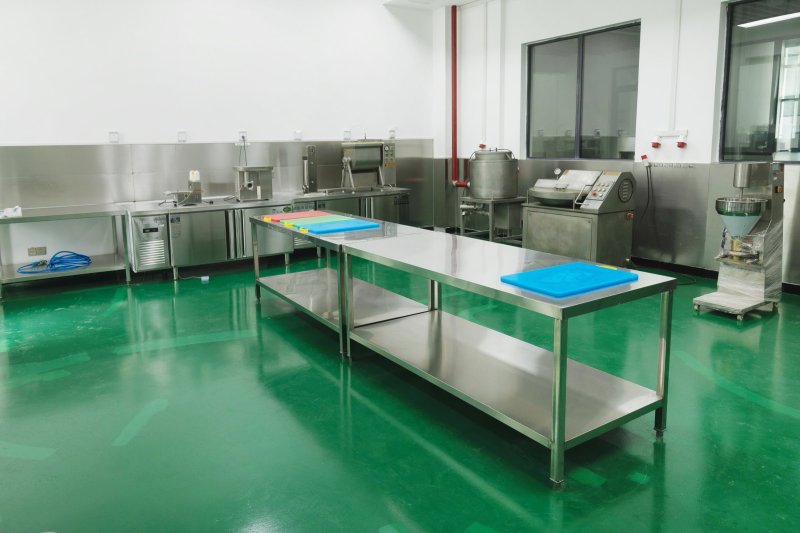
Meat processing pilot plant
Tests new processing technologies at pilot scale.
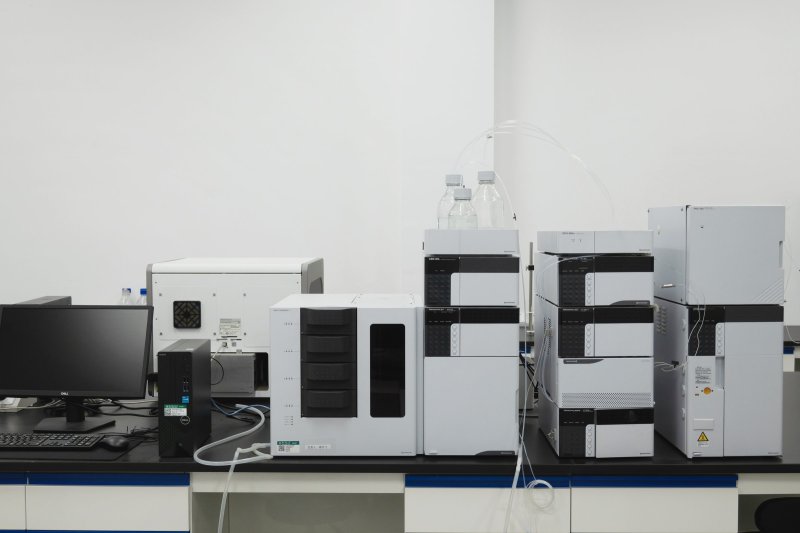
Supercritical fluid CO₂ extraction
Extracts lipids, flavours and bioactive compounds without organic solvents.
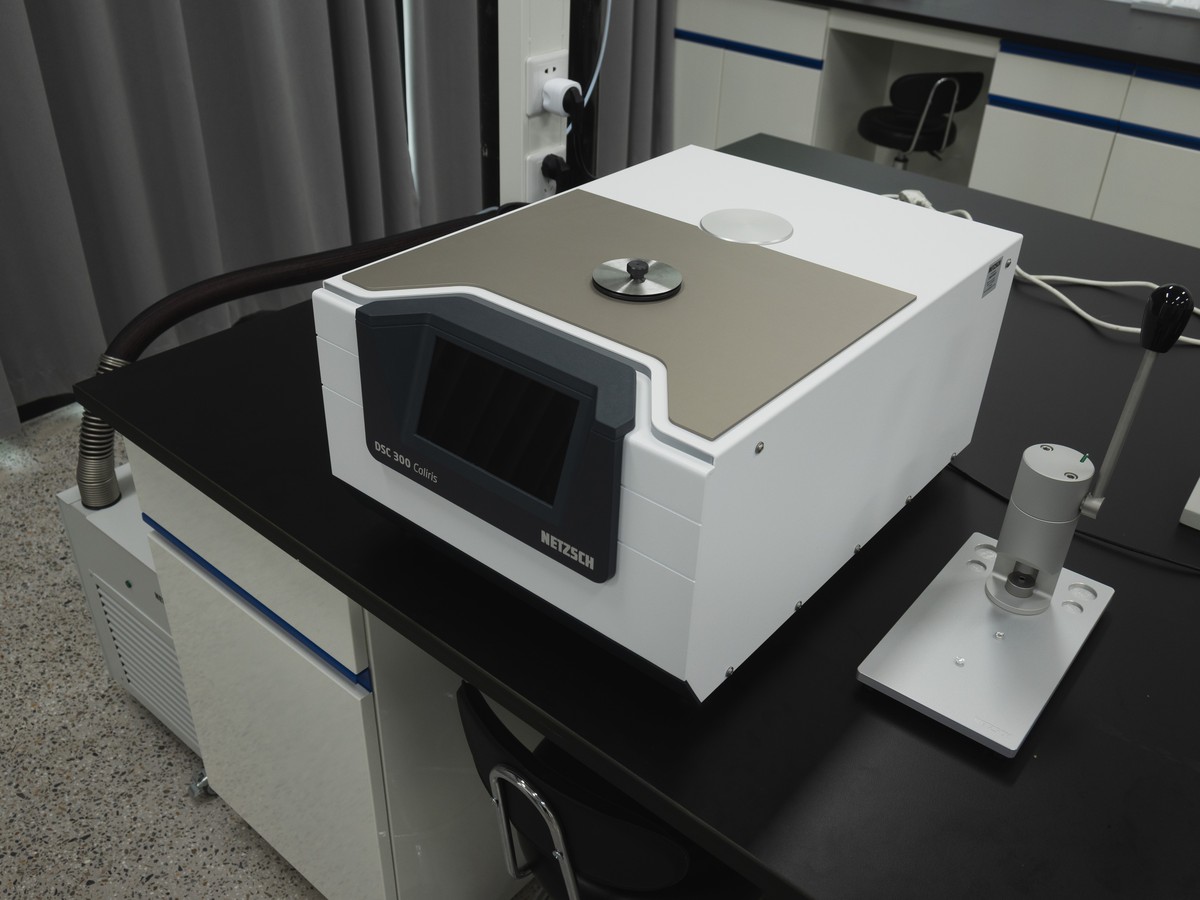
Differential scanning calorimetry
Measures fat melting, protein denaturation and ice formation in meat.
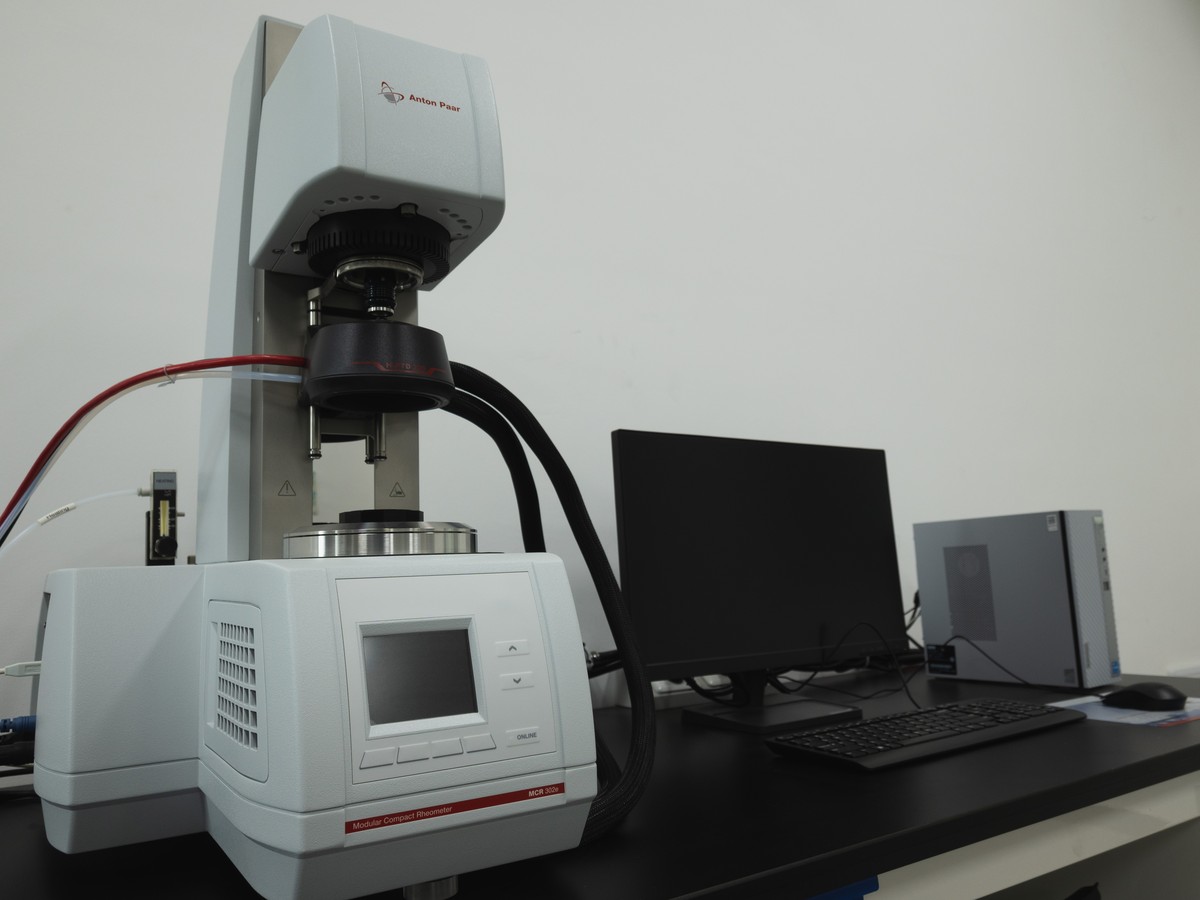
Rheometer
Measures the flow and gel strength of meat batters and emulsions.
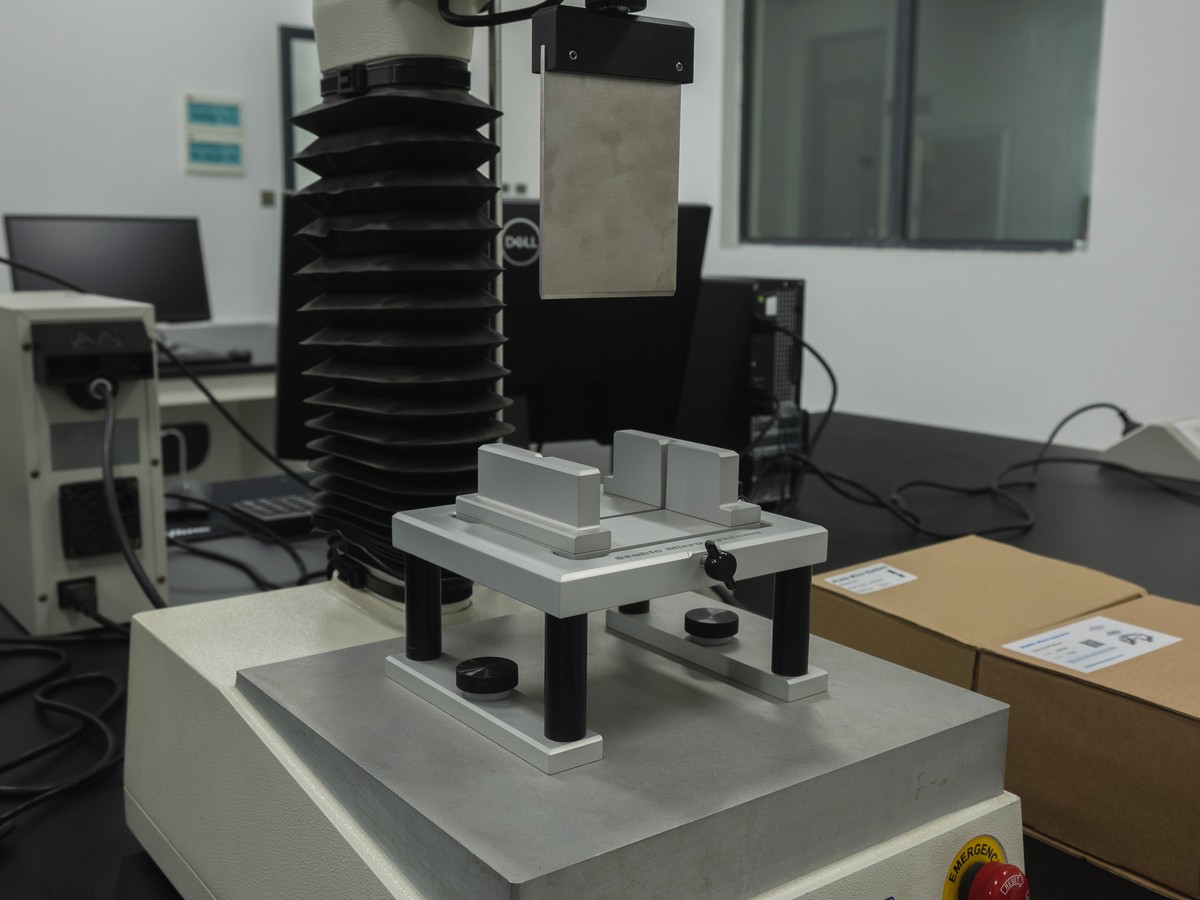
Texture analysis
Measures the firmness, tenderness and chewiness of meat products.
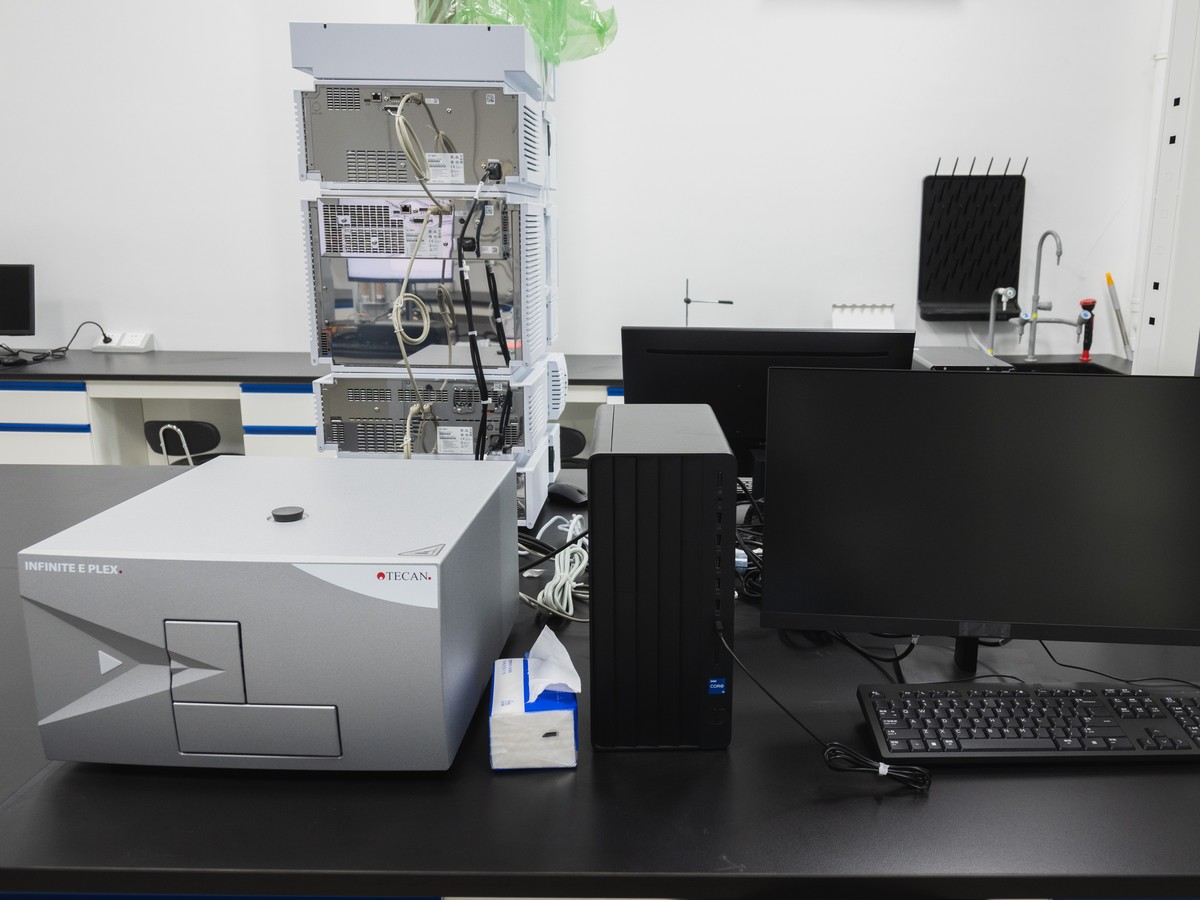
Microplate reader
Runs high-throughput antioxidant, enzyme and microbial assays.
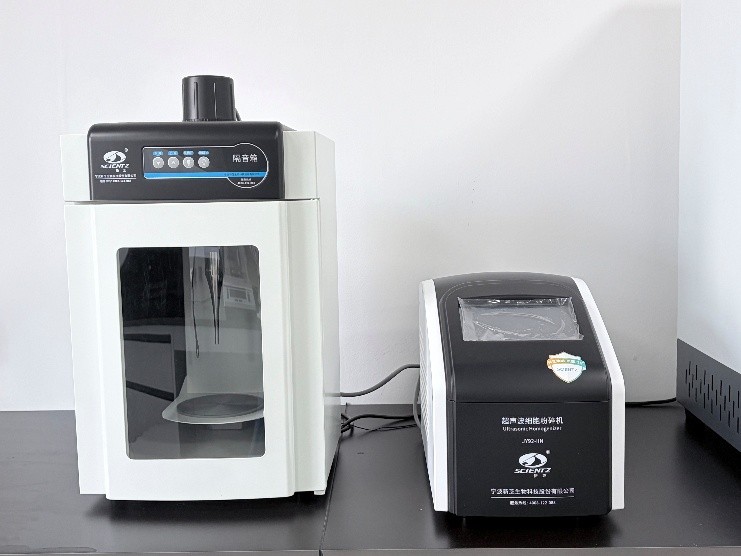
Cell ultrasonic disruptor
Breaks up cells and tissue to release proteins and other cell contents.
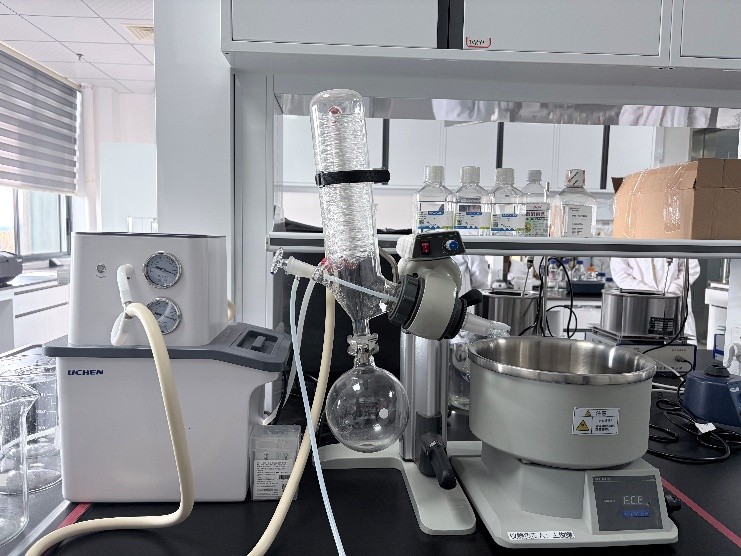
Rotary evaporator
Concentrates extracts by gently removing solvents under vacuum.
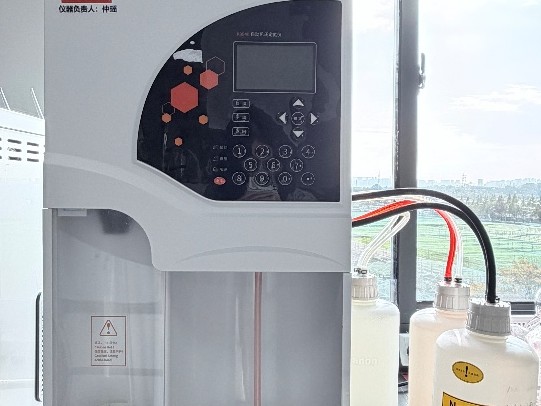
Automatic Kjeldahl nitrogen analyser
Measures total nitrogen to determine the protein content of meat.
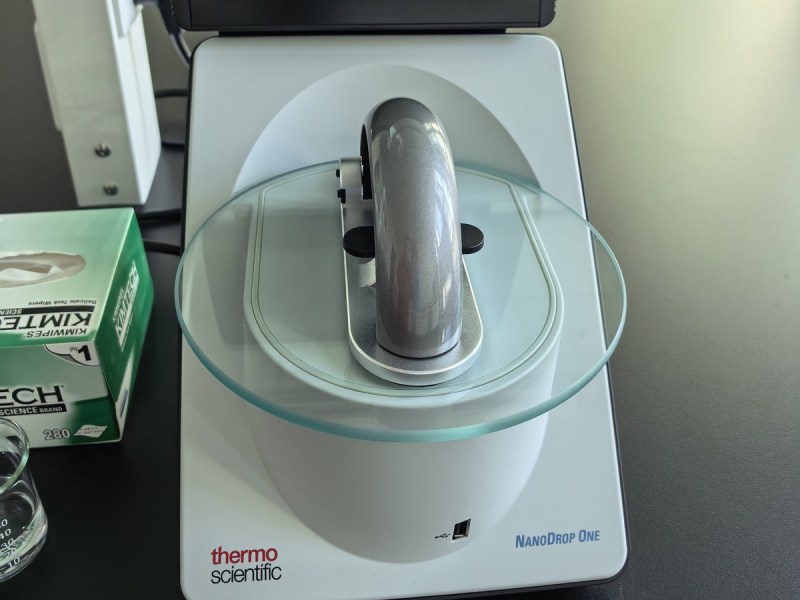
NanoDrop spectrophotometer
Measures DNA, RNA and protein concentrations in one-microlitre samples.

